AI Marketing Automation Trends That Drive Revenue
AI marketing automation trends shaping faster lead response, smarter intake, and reliable follow-up for service businesses built to grow without waste

A lead submits a form at 8:47 p.m. Your ads are working, your website did its job, and then the inquiry sits until morning. That gap is where revenue disappears. The most useful AI marketing automation trends are not flashy content tricks. They are systems that respond, qualify, route, and follow up while your team is busy serving clients.
For dental practices, law firms, lenders, and real estate teams, the question is not whether AI belongs in marketing. It already does. The question is whether it is connected to the operating points that determine revenue: speed to lead, intake quality, booked appointments, show rates, and disciplined follow-up.
AI Marketing Automation Trends Moving Beyond Content
Generative AI made marketing teams faster at writing ads, emails, and social posts. That is useful, but it is not the highest-value application for a service business. A faster blog post does not fix a missed call, an incomplete intake form, or a prospect who never receives a second follow-up.
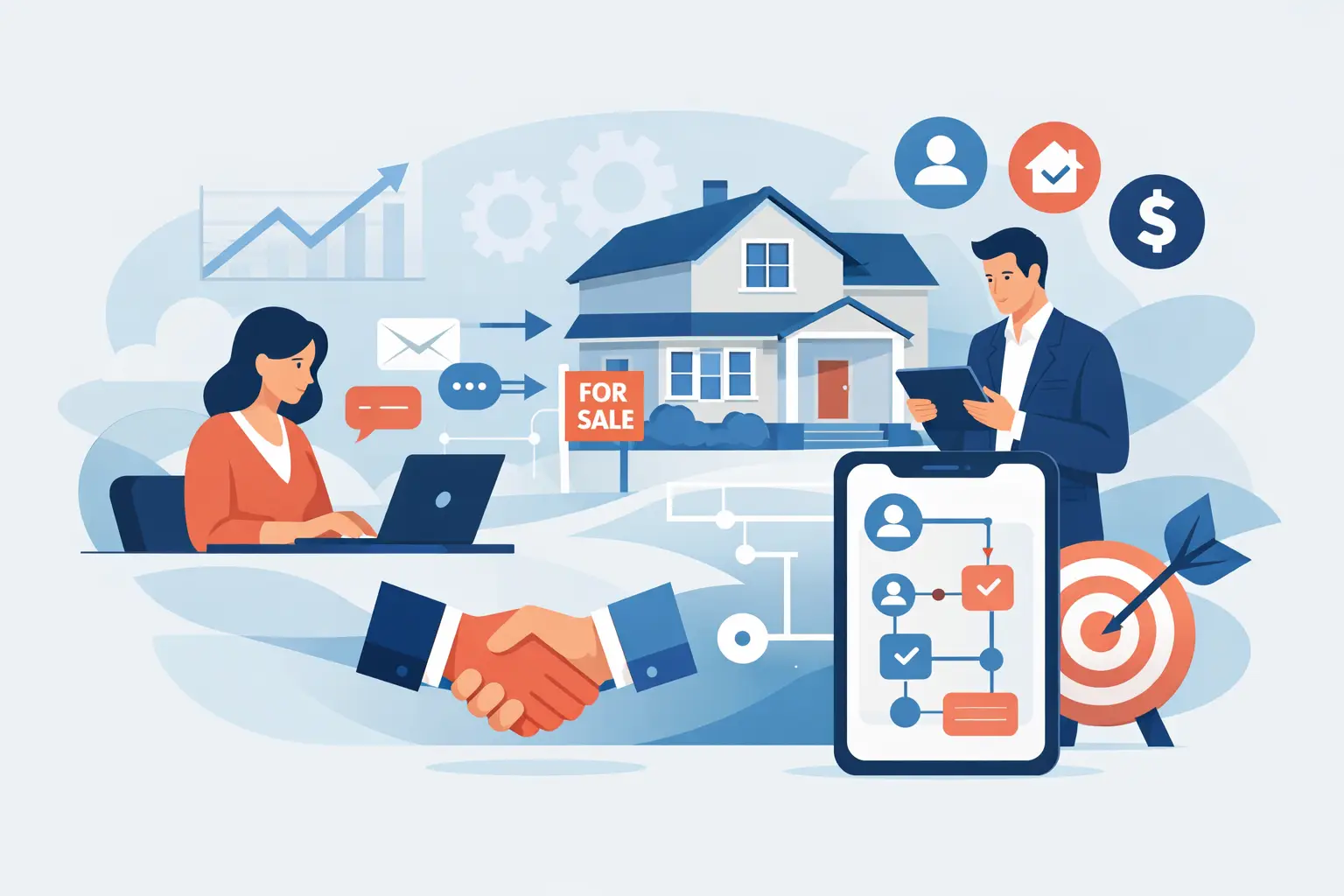
The meaningful shift is from AI as a content assistant to AI as a workflow layer. It sits between the website, ad platform, inbox, calendar, CRM, and staff. Its job is to turn inbound attention into a controlled next step.
That changes how performance should be measured. Traffic, impressions, and even raw lead volume are secondary indicators. A growth system should show how quickly leads were contacted, how many met basic qualification criteria, how many appointments were booked, and which source produced actual revenue.
Trend 1: Conversational Intake Replaces Static Lead Forms
Static forms still have a place. Someone searching for a mortgage preapproval or a family lawyer may prefer a simple form, especially on mobile. But long, generic forms create friction and leave staff to chase missing details later.
AI-assisted chat and guided intake are increasingly used to collect information in stages. Instead of asking every visitor to complete 15 fields, the system can ask the next relevant question based on the prior answer. A real estate prospect can be directed toward buying, selling, or property valuation. A dental patient can identify whether they need an emergency visit, a new-patient exam, or a cosmetic consultation.
The advantage is not that chat feels futuristic. The advantage is structured data. A properly designed intake flow captures the details a team needs to prioritize the inquiry and make the first conversation productive.
There is a trade-off. Overly open-ended AI chat can invent answers, mishandle sensitive questions, or sound evasive when a visitor needs a direct response. The better design uses approved information, clear boundaries, and deterministic paths for high-risk topics. For legal, lending, and healthcare-related businesses, the system should collect and route information, not offer legal advice, underwriting decisions, or clinical guidance.
Build for a handoff, not a dead end
Every intake experience needs a clear outcome: book a time, request a callback, transfer to a human, or submit a complete case for review. A chat tool that merely answers questions without creating a next action is customer service theater.
Trend 2: Speed-to-Lead Automation Becomes a Competitive Advantage
Most service businesses do not lose leads because their team lacks expertise. They lose them because response is inconsistent. A prospect who requests a consultation may contact three competitors before anyone returns the first call.
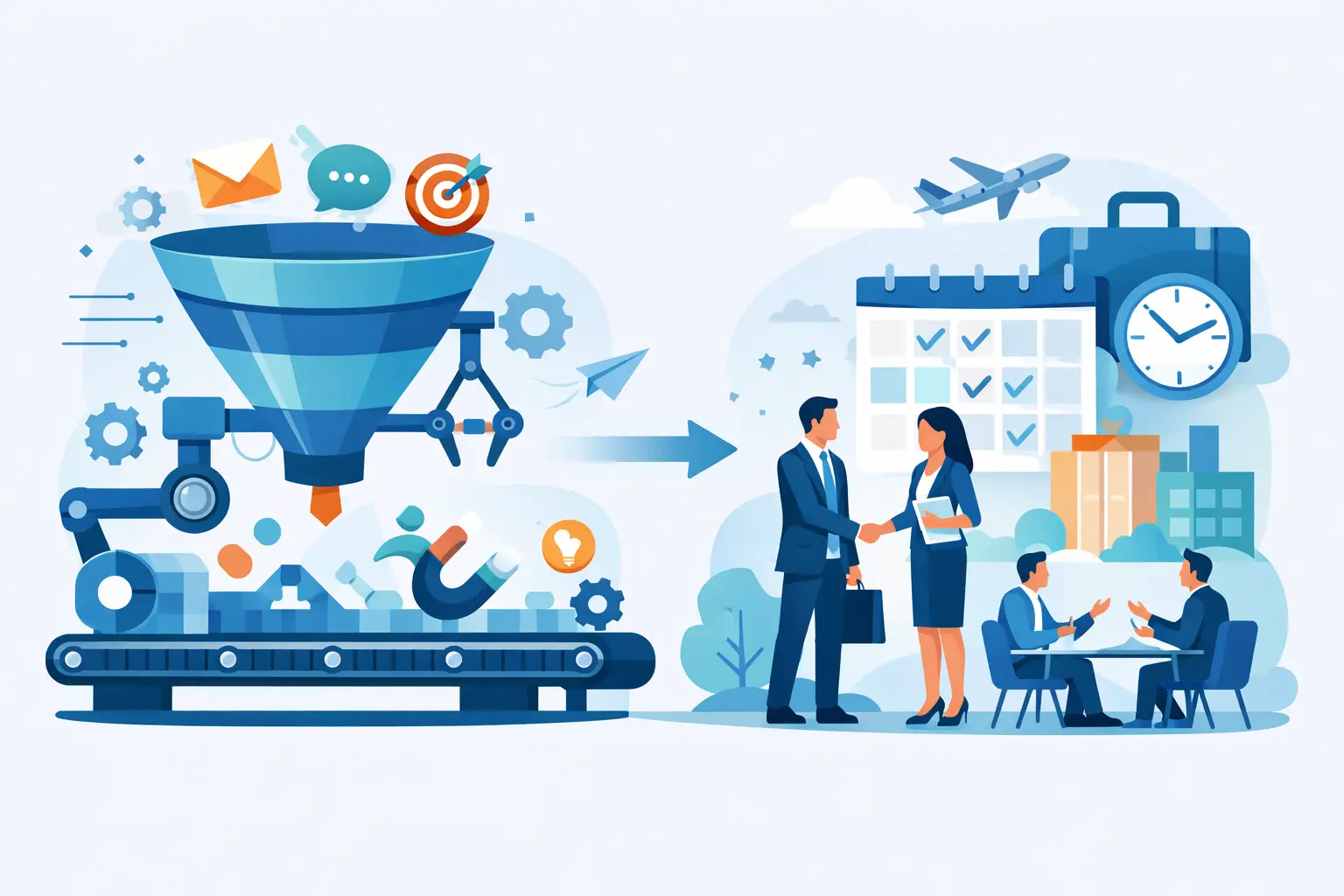
AI-supported automation closes that gap by acknowledging the inquiry immediately, answering approved common questions, and presenting available booking options. If the lead comes in after hours, the business does not need to pretend that a person is online. It needs to provide a useful response and preserve momentum until a qualified team member takes over.
This is especially valuable for paid search. If you pay for high-intent clicks but allow leads to wait for a manual reply, you are buying demand and then leaking it through operations. Faster response can improve conversion without increasing ad spend.
The right sequence depends on the service. An emergency dentist needs urgent routing and a phone-first path. A law firm may need conflict-check information before booking. A mortgage professional may need a short financial pre-screen before assigning the lead. The workflow should reflect the real sales process, not a generic automation template.
Trend 3: AI Scoring Helps Teams Work the Right Leads First
Not all inquiries deserve the same response path. A multi-location practice may receive dozens of requests each day. A real estate team may attract buyers, sellers, renters, investors, and vendors through the same web presence. Treating every contact identically wastes staff time and slows down high-value prospects.
AI can help classify leads using source, location, service requested, timing, messages, and previous engagement. A high-intent lead can be flagged for immediate outreach. A lead that is early in research can receive useful follow-up until the timing changes. A request outside the service area can be routed elsewhere or filtered before it reaches the calendar.
Scoring should support human judgment, not replace it. If the rules are too aggressive, good leads get discarded because they do not fit a narrow profile. If the score is a black box, staff will not trust it. Start with transparent signals that operators recognize: urgency, service fit, location, budget range when appropriate, and booking behavior.
The operational standard is simple: your team should be able to explain why a lead was prioritized and what the system did next.
Trend 4: Follow-Up Systems Become Persistent, Not Annoying
The first response matters, but many conversions happen after it. A prospective client may be in a meeting, comparing options, waiting for a spouse, or simply not ready to decide. One email and one voicemail are not a follow-up process.
AI marketing automation is making follow-up more adaptive. The system can vary timing and message based on the prospect's actions. Someone who started an intake but abandoned it needs a different message than someone who attended a consultation but did not move forward. A person who clicked a financing page may need a direct explanation of next steps, not another generic promotional email.
Personalization has limits. Using a lead's stated needs to make outreach relevant is good operations. Acting as though the system knows more than the person shared is unsettling and can damage trust. Keep messages specific to the interaction, concise, and easy to stop.
For regulated categories, review requirements matter too. Approval workflows, consent management, record retention, and clear disclosures are part of the system design. Automation that produces more activity but creates compliance exposure is not an upgrade.
Trend 5: Marketing and Operations Data Finally Connect
A common agency report shows clicks, leads, and cost per lead. A common operations report shows appointments, consultations, and closed business. When those reports do not connect, nobody can tell which marketing investment is actually working.
One of the most practical AI marketing automation trends is better attribution across the full funnel. The website captures the source. The intake system records service type and intent. The CRM tracks contact attempts, appointments, and outcomes. AI can summarize patterns, flag weak stages, and identify campaigns that generate volume without qualified demand.
This does not require a massive enterprise data project. It requires consistent source tracking, clean fields, and a clear definition of a qualified lead. If staff enter notes inconsistently or close opportunities without recording outcomes, the reporting will be weak no matter how advanced the AI layer is.
Rivelo approaches this as a revenue system, not a collection of marketing tools. The website, ads, intake, booking, and follow-up need to share data and accountability. Engineering DNA, not template DNA, matters when a small failure between systems can quietly cost a business thousands in missed opportunities.
What to Implement First
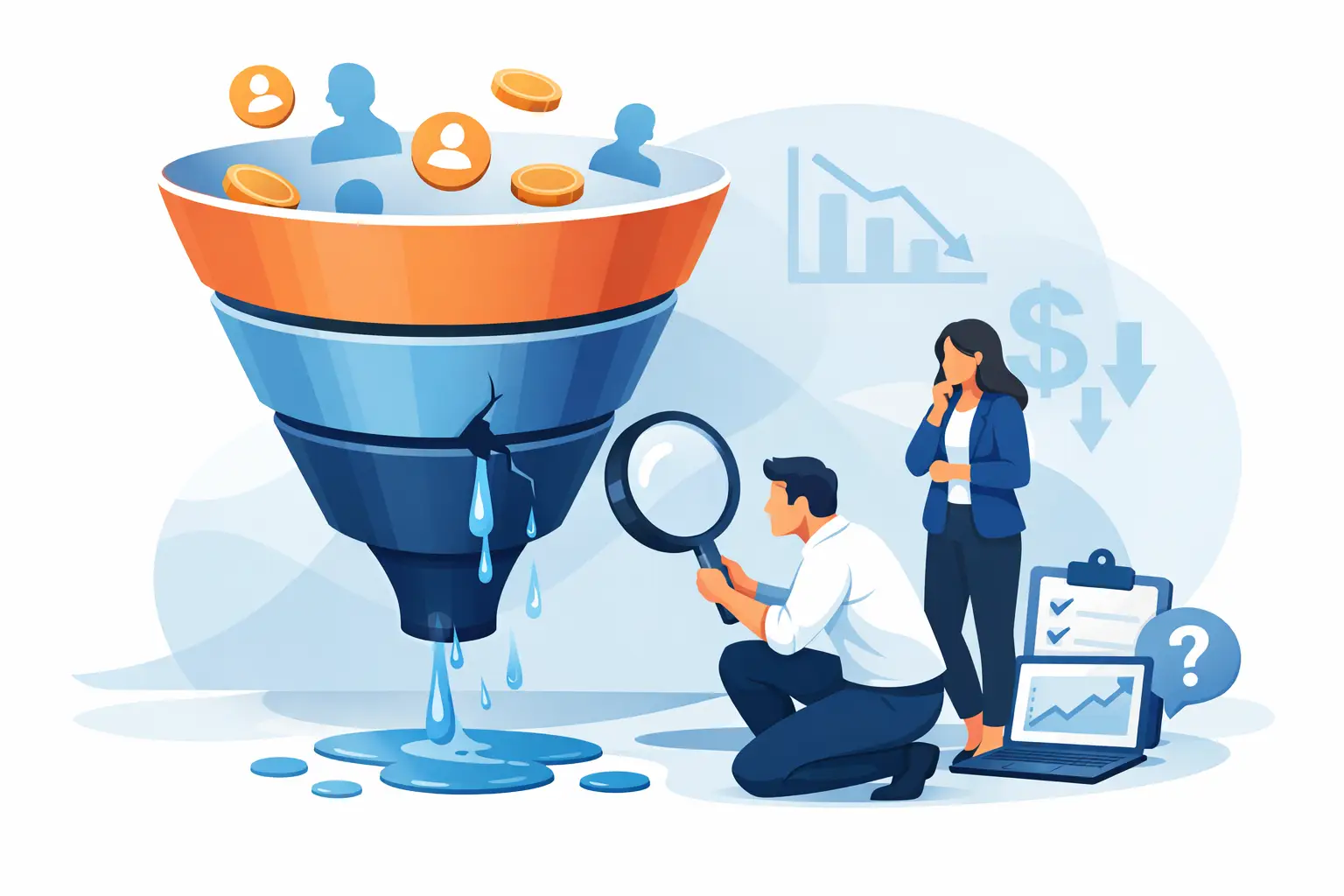
Do not start by adding AI to every channel. Start with the most expensive leak in your current funnel. For many businesses, that is missed after-hours inquiries or slow first response. For others, it is low-quality leads reaching the calendar, incomplete intake, or prospects disappearing after a consultation.
Audit the path from first click to booked appointment. Test it on a phone after business hours. Submit a real inquiry and measure what happens, how long it takes, and whether the response contains a useful next step. Then identify where manual work is necessary and where software can reliably carry the load.
Good automation makes your staff more available for judgment, reassurance, and closing the right opportunities. It does not remove the human relationship from a high-trust service sale. Build the system so that when a prospect is ready to talk, your team has the context and capacity to make that conversation count.