AI Receptionist for Service Businesses That Converts
An AI receptionist for service businesses captures inquiries, qualifies leads, books appointments, and protects revenue after hours without adding payroll.

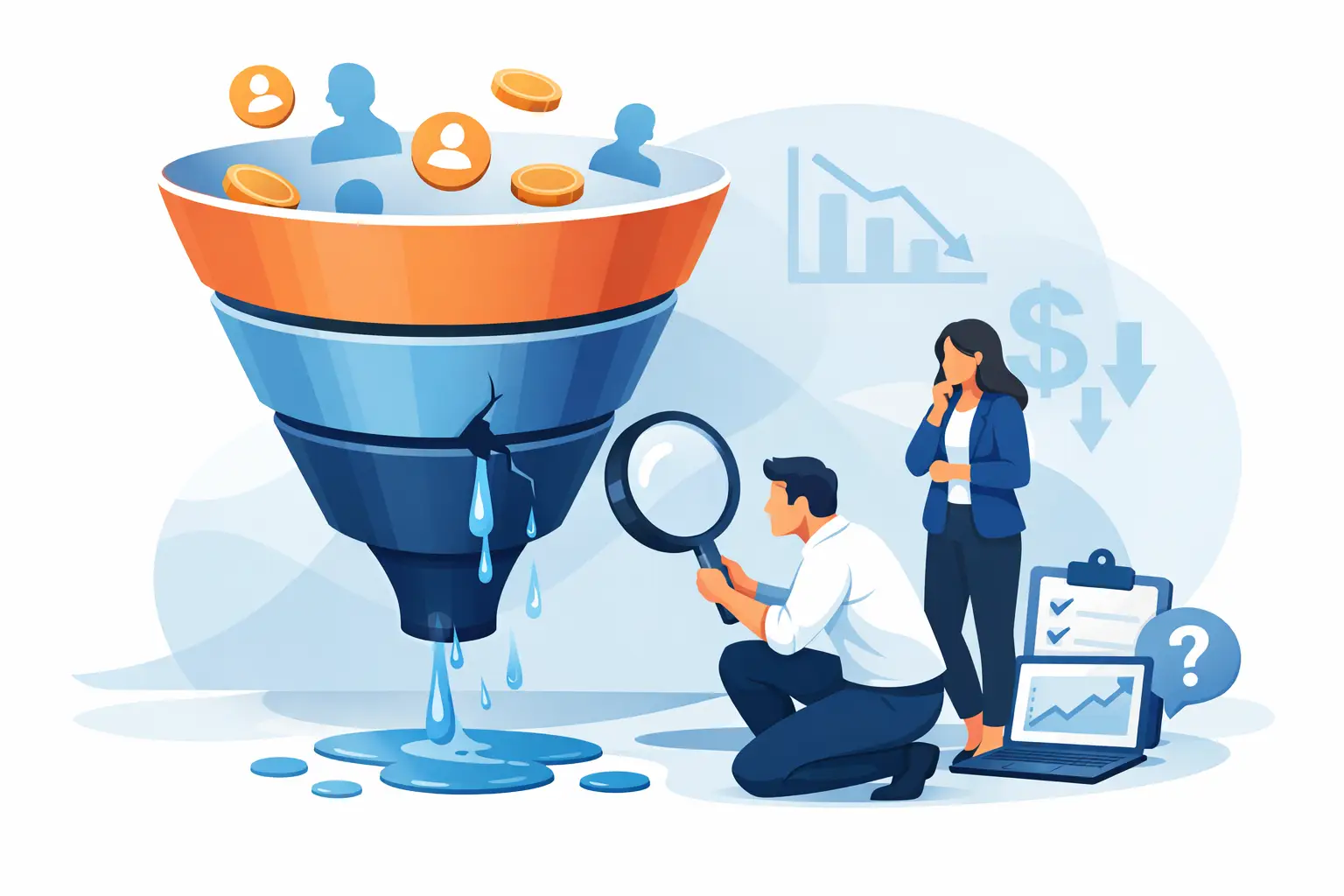
A missed call at 4:47 p.m. is rarely just a missed call. For a dental office, it may be a high-value treatment inquiry. For a law firm, it may be a time-sensitive case. For a mortgage broker or real estate team, it may be the lead who calls the next professional on the search results page.
An AI receptionist for service businesses exists to stop that revenue leak. It answers common questions, captures context, qualifies prospects, books appointments, and routes urgent conversations without forcing an owner or front-desk team to be available every minute of the day.
This is not about replacing good people with a generic chatbot. It is about engineering a reliable intake layer around the moments when leads are most likely to disappear.
Why Service Businesses Lose Leads Before Sales Starts
Most service businesses do not have a lead-generation problem alone. They have a response-speed and intake problem.
Marketing produces demand through Google Ads, local search, referrals, reviews, and social proof. Then the prospect reaches a website, calls the office, or sends a message. If nobody responds quickly, the expensive part of the process has already happened and the business still loses.
Traditional reception coverage has limits. Staff take breaks. Teams are in appointments. Calls arrive after hours. A busy receptionist must choose between serving the person in front of them and answering the phone. Voicemail becomes the fallback system, and voicemail is a poor conversion tool for prospects who have several options.
The cost compounds when follow-up is inconsistent. A lead may submit a form, receive no confirmation, and never hear from the business again. Another may ask a basic question about availability, insurance, service area, fees, or financing, then leave because the answer was not immediate.
The issue is operational, not cosmetic. A better logo or a prettier website does not fix an abandoned intake process.
What an AI Receptionist Actually Does
A properly configured AI receptionist handles the repetitive, first-contact work that slows down staff and causes leads to drop. It can operate through web chat, SMS, phone calls, or a combination of channels, depending on the business model and client expectations.
At a minimum, it should recognize the visitor's intent, answer approved questions, collect contact details, and create a clear next step. For a dental office, that may mean identifying whether someone needs a cleaning, emergency appointment, implant consultation, or insurance information. For a law firm, it may mean identifying the legal issue, location, timeline, and urgency before routing the inquiry for human review.
For mortgage and lending businesses, qualification can include purchase versus refinance intent, estimated credit range, income type, property location, and desired timeline. For real estate teams, the system can separate buyers, sellers, investors, and renters while collecting location, price range, and readiness to move.
The goal is not to make the AI pretend to be a licensed professional, clinician, attorney, or broker. It should not give legal advice, make clinical determinations, promise loan terms, or provide speculative property guidance. Its role is to capture, organize, and route the conversation efficiently.
Booking Is the Critical Handoff
Lead capture without appointment booking still leaves work unfinished. The best systems connect the conversation to real calendar availability and guide qualified prospects toward a booked consultation, showing, intake call, or appointment.
That handoff must respect the business's operating rules. Some teams want emergency dental calls routed immediately. A law firm may require conflict-check information before scheduling. A mortgage broker may prefer a consultation only after minimum qualification data is captured. The workflow should reflect those rules, not force the business into a generic script.
The Right AI Receptionist Is a System, Not a Widget
Many vendors sell an AI chat bubble and call it automation. That is not enough.
A conversion-focused receptionist system connects the website, call handling, calendars, CRM, follow-up messages, lead source tracking, and internal notifications. If those pieces are disconnected, staff end up copying information between tools, leads get duplicated, and reporting becomes unreliable.
A useful setup should answer practical questions: Where did this lead originate? What did they ask? Were they qualified? Did they book? Did staff follow up? Did the appointment become revenue?
Without that visibility, the business may see more chats or form submissions but have no confidence that the system is improving results.
This is where engineering DNA matters. A system that touches inbound leads cannot be fragile. It needs approved response logic, escalation rules, monitoring, and clear ownership when something breaks. Less theater, more execution.
Where AI Reception Works Best
An AI receptionist performs best when the business has meaningful inbound volume, repeatable intake questions, and a high cost for slow response. That describes many established service businesses.
Dental practices benefit when patients ask about new-patient availability, emergency visits, accepted insurance, financing, or specific treatments. The AI can reduce front-desk pressure while ensuring urgent cases receive proper escalation.
Law firms benefit from structured intake, especially when inquiries arrive outside office hours. The system can collect basic facts and contact information while avoiding advice, guarantees, or language that creates inappropriate expectations.
Mortgage professionals benefit from immediate speed-to-lead. Borrowers often contact multiple lenders within a short window. Capturing the inquiry, confirming the next step, and booking a consultation quickly can materially improve contact rates.
Real estate teams benefit from round-the-clock availability because consumer research happens at night and on weekends. A prospect browsing listings at 10 p.m. may not wait until Monday for a callback.
The model is less effective when every inquiry requires deep, highly individualized judgment before any next step can be offered. Even then, AI can still collect context and route the lead, but it should not be positioned as a substitute for expert consultation.
The Trade-Offs You Need to Manage
AI reception is not a permission slip to automate every conversation. Poorly configured automation can sound evasive, collect irrelevant information, or create frustration when a prospect needs a human immediately.
The first trade-off is tone. A system should be concise and helpful, not overly conversational or vague. Service prospects want clarity: whether the business can help, what happens next, and how soon they can speak with someone.
The second is escalation. Every workflow needs clear conditions for human intervention. These can include urgency, dissatisfaction, complex requests, existing-client issues, or questions involving professional advice. The system should make escalation easy, not trap users in a loop.
The third is data handling. Businesses operating in regulated or high-trust fields need clear rules for what information is collected, where it is stored, who can access it, and how long it is retained. This is especially relevant for health, legal, and financial inquiries. Automation should reduce administrative risk, not create more of it.
How to Deploy an AI Receptionist for Service Businesses
Start by mapping the existing intake process rather than buying software first. Review missed calls, web forms, chat logs, appointment requests, and common front-desk questions. The patterns will reveal where response delays and repeat work occur.
Then define the business rules. Decide which services the system can discuss, what qualifying questions it should ask, which appointments it may book, and when it must transfer the conversation to a person. Keep the initial scope focused. It is better to automate the highest-volume, lowest-risk interactions correctly than to build a sprawling workflow nobody trusts.
Next, connect the receptionist to the systems that matter: calendar, CRM, call routing, lead notifications, and follow-up automation. A lead should not have to repeat their story after booking. Staff should receive enough context to continue the conversation intelligently.
Finally, measure outcomes instead of vanity metrics. Track answered inquiries, speed to first response, qualified lead rate, booking rate, no-show rate, and closed revenue by source. If the system produces more conversations but fewer qualified appointments, the qualification logic needs adjustment.
Rivelo approaches this as a revenue operations build, not a chatbot installation. The website, traffic sources, intake flow, booking layer, and follow-up system must work as one accountable stack.
Build for the Call You Are Not There to Answer
The strongest AI receptionist does not try to impress prospects with artificial personality. It makes the business easier to reach, easier to understand, and easier to book.
That matters because the prospect who contacts you after hours, during a busy appointment block, or while your team is already on another call is still a real opportunity. Give that opportunity a fast, structured path forward, and your growth system starts doing the job it was supposed to do.